
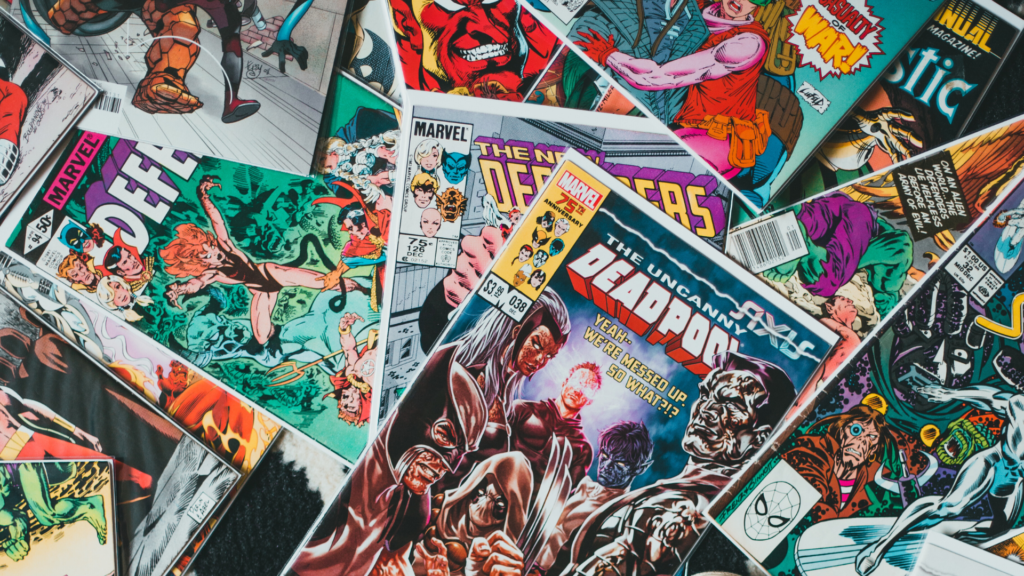
Indie and mainstream comics differ primarily in their production, distribution, and creative freedom. Mainstream comics are usually produced by large publishers like Marvel or DC, featuring well-known characters and wide distribution. Indie comics, by contrast, are often self-published or produced by smaller companies, allowing for more experimental storytelling and diverse voices.
The key difference lies in the level of creative control and the target audience, with indie comics favouring innovation and niche appeal, while mainstream comics prioritise broad market success and established franchises. Readers interested in unique narratives or unconventional art styles often turn to indie comics, whereas those who enjoy iconic superheroes and larger universes tend to prefer mainstream titles.
What Sets Indie and Mainstream Comics Apart
Indie and mainstream comics differ significantly in how they operate, the types of stories they tell, and the level of creative control granted to artists. These differences shape the output, audience, and cultural impact of each sector within the comic book industry.
Key Differences in Publishing Models
Mainstream comics are primarily published by large companies such as Marvel and DC. These publishers use established distribution networks and print cycles to reach wide audiences through comic shops, digital platforms, and mass retailers.
Independent comics typically operate on smaller budgets and use varied publishing methods. Indie creators often self-publish or work with small presses, relying on direct sales, crowdfunding, or limited print runs. The model is more flexible but usually has a smaller market reach.
The differences in scale affect production timelines and marketing. Mainstream comics have regular schedules and promotional campaigns, while indie comics often depend on creator-driven marketing and sporadic releases.
Genres and Storytelling Approaches
Mainstream comics heavily feature superheroes and traditional hero narratives. Their stories are often episodic, designed to fit into larger shared universes with established continuity.
Indie comics explore a wider variety of genres, including slice-of-life, horror, fantasy, and experimental formats. They prioritise diverse stories, often reflecting underrepresented voices and unconventional perspectives.
The storytelling in indie comics tends to be more personal and character-driven. Creators take risks with narrative structure and themes that might not fit mainstream expectations or market demands.
Creative Freedom and Editorial Control
Mainstream comics involve multiple editorial layers focused on brand consistency and audience retention. Creators must align with canonical storylines and editorial mandates, limiting deviations from established characters and settings.
Indie comics offer greater creative freedom, allowing artists and writers full control over content. This independence fosters innovation and risk-taking but places the responsibility for all aspects of production on the creators.
Editorial control in indie comics is minimal or non-existent, enabling a direct connection between creator intentions and the final product. This can lead to unique artistic styles and culturally diverse storytelling not commonly found in mainstream comics.
Notable Publishers and Iconic Examples
Mainstream and indie comics feature distinct publishers and characters that illustrate their unique approaches. The power of major companies lies in broad, recognisable characters, while indie publishers often focus on niche, creator-driven stories. Both have shaped the comic industry with influential titles and evolving characters.
Major Mainstream Publishers and Characters
Marvel and DC dominate mainstream comics. Marvel’s flagship characters include Spider-Man, Iron Man, and the X-Men, known for their broad appeal and interconnected universes. DC is widely recognised for Batman, Superman, and Wonder Woman, characters that have appeared consistently since the 1930s and define superhero archetypes.
These publishers use shared universes to create complex storylines spanning multiple titles. This structure supports long-term storytelling and massive fan engagement. The commercial success of these publishers is reflected in film adaptations and merchandise. The consistent output from these companies contrasts with the varied styles found in independent comics.
Influential Indie Publishers and Titles
Independent publishers like Dark Horse and IDW operate outside mainstream frameworks. They often focus on diverse and experimental narratives that appeal to specific audiences. Dark Horse is known for licensed properties such as Hellboy and Buffy the Vampire Slayer, blending creator ownership with licensed content.
IDW specialises in licensed adaptations such as Transformers and Teenage Mutant Ninja Turtles, sustaining dedicated fanbases by expanding existing universes. Indie publishers embrace creative freedom, allowing for unique art styles and mature themes not usually covered by Marvel or DC. This flexibility fosters innovation and genre variety absent from mainstream projects.
Evolution of Iconic Superheroes
Mainstream superheroes have evolved in response to cultural changes. For instance, Batman’s character has shifted from a straightforward vigilante in the 1930s to a complex, psychologically driven figure in modern comics. Spider-Man started as a teenage underdog and has grown into a symbol of responsibility and resilience.
Their creators adapted to changing social values, reflecting issues such as diversity, gender, and ethical dilemmas. These characters remain relevant by balancing tradition with modernisation. Indie characters, by contrast, often explore unconventional or specific themes, offering alternative perspectives to standard superhero narratives.
Impact of Creator-Owned Properties
Creator-owned comics have reshaped independent publishing. Titles like Hellboy (Dark Horse) highlight the appeal of retaining creative rights while achieving success. This model encourages artists and writers to develop personal, innovative stories without the editorial interference common in mainstream houses.
Creator-owned works tend to attract niche audiences who value originality and depth. They can also transition into larger media platforms independently, preserving the creator’s vision. This approach contrasts with mainstream comics, where corporate ownership often limits creative control but supports larger marketing budgets and wider distribution.
Changing Distribution and Audience Engagement
The comic book industry has shifted notably in how comics reach readers and how creators engage with their audience. Changes in digital publishing, social media strategies, and accessible online platforms have influenced both indie and mainstream comics differently.
Digital Publishing Trends and Reach
Digital publishing allows comics to be distributed worldwide instantly. Mainstream publishers like Marvel and DC use their own apps alongside platforms such as ComiXology to reach global audiences efficiently. Indie creators often rely on platforms like Webtoon and Tapas, which cater to niche markets and encourage serialised content.
Digital formats reduce costs linked to printing and shipping, enabling indie comics to reach readers without heavy financial investment. This has widened the market for diverse voices and experimental storytelling, often less common in mainstream comics. Digital also provides detailed analytics on readership patterns, helping creators tailor content to audience preferences.
Role of Social Media in Promotion
Social media has become vital for both indie and mainstream comics to promote new releases and build fan communities. Mainstream publishers run coordinated campaigns using Twitter, Instagram, and TikTok to create buzz around big launches and events. They often leverage celebrity artists and writers to amplify reach.
Indie creators depend heavily on social media for direct engagement with their audience. Platforms like Twitter and Instagram enable them to share progress updates, work-in-progress sketches, and interact with readers individually. This personal connection is crucial for building loyal fan bases outside traditional distribution channels.
Online Platforms for Indie Creators
Indie comic creators benefit from specialised online platforms that streamline publishing and monetisation. Kickstarter and Patreon allow them to fund projects directly through their audience, reducing reliance on external investors or publishers. These sites also offer a community-oriented approach where fans receive exclusive content or early access.
Webtoon and Tapas provide built-in audiences for indie comics, supporting serial release models that help maintain reader interest over time. These platforms also handle hosting, payment processing, and promotion tools, allowing artists to focus on creation rather than logistics.
| Platform | Primary Use | Benefit for Indie Creators |
| Kickstarter | Crowdfunding | Direct funding, project validation |
| Patreon | Subscription model | Steady income, fan engagement |
| Webtoon/Tapas | Digital serialisation | Large user base, automated discovery features |
Together, these tools and channels have reshaped how indie comics circulate and thrive in a market once dominated by print and physical stores.
Cultural Impact and Industry Trends
The comic book industry has shifted significantly in recent years, highlighting differences in representation, market challenges, and cultural influence. Both indie and mainstream comics contribute uniquely to evolving comic narratives and audience reach.
Diverse Voices and Inclusive Storytelling
Indie comics have been pivotal in championing diverse voices and exploring inclusive storytelling. They often highlight underrepresented groups, including LGBTQ+ characters, ethnic minorities, and non-traditional protagonists. This approach broadens reader perspectives and challenges established comic norms.
Mainstream comics have responded by introducing more diverse characters and storylines, such as Marvel’s Ms Marvel and DC’s diverse Green Lanterns. However, their focus often remains on mainstream appeal and existing fan bases, sometimes limiting the depth of diversity explored.
Both sectors impact how cultural identity and social issues are portrayed, but indie comics typically offer greater creative freedom to explore complex, nuanced themes.
Challenges Facing Indie and Mainstream Comics
Indie comics face financial constraints and limited distribution compared to mainstream comics. Without the backing of large publishers, indie creators often rely on crowdfunding or small press deals, which affects production scale and marketing reach.
Mainstream comics benefit from established distribution networks and marketing resources but must navigate corporate priorities and audience expectations that can restrict creative risk-taking. They also contend with maintaining long-running series and legacy characters, which can limit innovation.
Both sectors struggle with digital competition and piracy, but indie comics often have more flexibility to experiment with digital platforms and direct sales to niche audiences.
Influence on Popular Culture
Mainstream comics continue to dominate popular culture through blockbuster films, TV adaptations, and merchandise. Characters like Spider-Man, Batman, and Wonder Woman have become cultural icons familiar worldwide.
Indie comics influence popular culture by pushing boundaries and inspiring new storytelling formats. Titles like Saga and The Walking Dead transitioned successfully to other media, proving indie narratives can also resonate broadly.
Indie comics often serve as testing grounds for innovative ideas that later influence mainstream trends, while mainstream comics maintain visibility through mass media and licensing deals.