
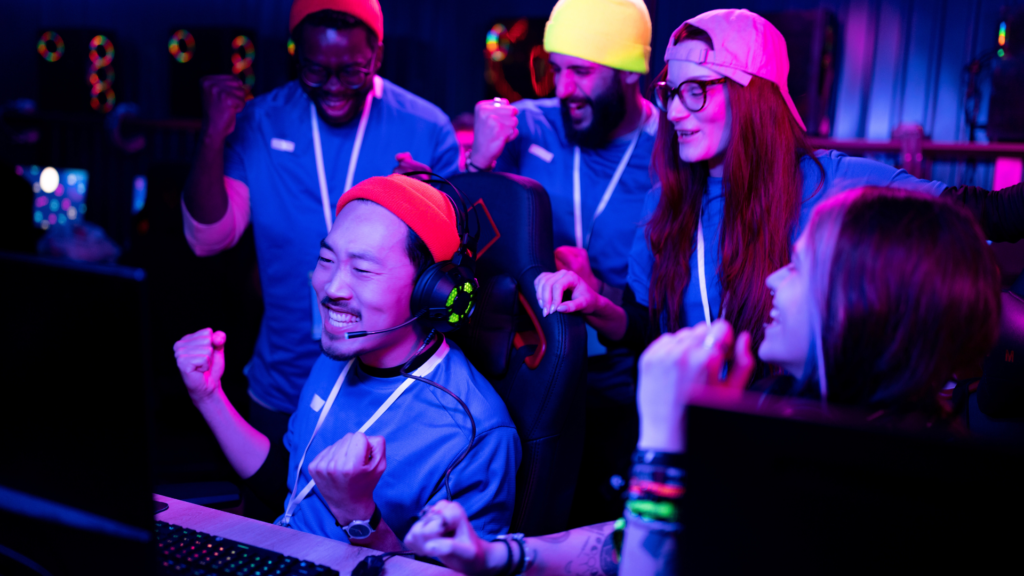
E-sports events are complex productions requiring more than just players and commentators. Behind every match, a team of professionals manages various technical, logistical, and creative tasks to ensure smooth operation. These behind-the-scenes roles are essential for delivering the seamless experience that fans enjoy.
From technical directors handling broadcast quality to event coordinators managing schedules and player needs, each role contributes to the event’s success. Sound engineers, lighting technicians, and graphic designers work together to create an engaging atmosphere.
Understanding these roles reveals the vast collaboration involved in e-sports events and highlights the expertise required beyond the gameplay itself. This insight offers a fuller appreciation of what it takes to run a major e-sports tournament.
Key Behind-the-Scenes Roles in Esports Events
Esports events rely on a coordinated effort from various specialists to deliver a seamless viewing experience. Skilled professionals manage production logistics, visual presentation, and live commentary to engage audiences effectively.
Broadcast Producer and Production Crew
The broadcast producer oversees the entire event’s production, ensuring all technical and creative elements run smoothly. They coordinate between different teams, including camera operators, sound engineers, and graphic designers. Their role is critical in making real-time decisions during live broadcasts to maintain quality and timing.
Production crew members support the producer by handling equipment setup, lighting, and sound checks. They often work under tight schedules to troubleshoot issues promptly. Effective communication with the producer ensures the show remains on schedule and technically flawless.
Observers and Camera Operations
Observers focus on capturing gameplay action from the best angles to enhance viewer engagement. They control in-game cameras, switching perspectives to highlight key moments and player moves. Their timing and camera positioning can significantly affect the broadcast’s clarity and excitement.
Camera operators manage physical cameras at the event venue, capturing player reactions, crowd shots and stage activities. Their work complements in-game footage, providing a full picture of the event atmosphere. Coordinating closely with the broadcast producer is essential to sync live shots with gameplay.
Commentators, Analysts, and On-Air Talent
Commentators, or casters, provide live narration, explaining gameplay and narrating the flow of matches. They must possess deep knowledge of the game and strong communication skills to keep viewers informed and entertained. Analysts join commentators to offer strategic insights, breaking down player decisions and tactics.
On-air talent includes hosts and interviewers who manage player interviews, panel discussions, and transitions between segments. Their role is to maintain viewer interest and provide context beyond the gameplay. Together, this team shapes the viewer’s understanding and enjoyment of the event.
Event Organisation and Management
Effective management of e-sports events requires detailed coordination of several key areas. It involves meticulous preparation, managing personnel efficiently, and maintaining strong relationships with sponsors and stakeholders, all of which are essential to delivering a successful esports tournament.
Planning and Logistics
Planning covers securing venues, scheduling matches, and arranging technical setups like servers and streaming equipment. Organisers must conduct thorough risk assessments to address health and safety, especially for large-scale events such as Insomnia or NSE.
Logistics also include managing travel and accommodation for teams, importing essential hardware, and ensuring adequate internet connectivity. The success of event production depends heavily on the seamless coordination of these elements to avoid delays and technical issues during the tournament.
Team Management and Event Staff
Team management involves supervising both the competing teams and the event staff. The staff includes referees, technical engineers, stage crew, and hospitality personnel. Each role is vital to maintain smooth operations throughout the event.
Event managers assign responsibilities clearly and monitor performance to quickly solve any issues. Training event staff before the tournament is common to familiarise them with procedures, ensuring rapid response times and professional conduct across all esports events.
Sponsorship and Stakeholder Coordination
Securing sponsorship packages is critical to the financing of esports events. Organisers collaborate closely with brands to align marketing strategies and maximise exposure through branding and advertising placements.
Stakeholder coordination requires regular updates and meetings to maintain transparency and manage expectations. This includes sponsors, game publishers, venues, and media partners, all of whom play a role in the event’s success. Clear communication helps foster long-term partnerships for future tournaments.
Technical Infrastructure and Live Broadcast
E-sports events require robust systems for streaming and managing complex live broadcasts. They rely on specialised technology to ensure high-quality video, consistent internet connections, and engaging visual elements through augmented reality.
Broadcast Technology and Software
Live broadcasts depend heavily on software like OBS (Open Broadcaster Software) for encoding video and switching between multiple camera angles. OBS is favoured due to its customisation options and compatibility with various streaming platforms.
AWS (Amazon Web Services) often supports backend infrastructure, providing scalable servers for video processing and content delivery. This reduces latency and manages bandwidth spikes during peak viewership.
Additionally, multiple audio and video feeds must be synchronised. Technical staff use dedicated hardware mixers and capture cards to maintain smooth transitions and real-time overlays.
Internet Connectivity and Technical Support
Stable internet connectivity is essential for uninterrupted streams. E-sports venues typically deploy redundant fibre-optic connections to avoid outages.
Technical support teams monitor these connections continuously, ready to resolve DNS issues, packet loss, or overloads immediately. They also coordinate with ISPs to prioritise traffic for streaming.
In addition, network firewalls and security protocols are implemented to prevent cyber-attacks that could disrupt live broadcasts or leak sensitive data.
Augmented Reality and Graphics Integration
Augmented reality (AR) is increasingly used to enhance viewer experience by displaying real-time stats, player info, and interactive graphics over gameplay footage.
Specialised software integrates AR elements seamlessly into the live feed, synchronising data with player actions and match events. This requires precise timing to avoid disrupting gameplay visibility.
Graphics teams coordinate closely with technical operators to ensure AR assets load without latency. AR also involves complex rendering engines capable of processing 3D models and animations live during broadcasts.
Esports Titles and Community Ecosystem
The landscape of esports is shaped by the games played, the communities that form around them, and the financial incentives offered through prize pools. These elements interact closely, influencing how events are organised and how audiences engage.
Popular Tournament Games
Titles like League of Legends, Dota 2, Fortnite, and Valorant dominate the esports tournament scene. The League of Legends World Championship consistently draws millions of viewers, making it a key event in the industry. Dota 2’s annual tournament, The International, is known for its record-breaking prize pools.
These games attract diverse player bases due to their unique mechanics and strategic depth. Their competitive formats range from team-based matches to individual showdowns, with rules tailored to each game’s design. This variety affects the types of behind-the-scenes roles required at events, from technical support to broadcast production.
Role of Gaming Communities and Streamers
Gaming communities and streamers cultivate fan engagement beyond official tournaments. Streamers often provide commentary, tutorials, and live reactions, expanding the reach of esports events. They serve as intermediaries who connect casual viewers with professional competition.
Communities contribute to the ecosystem by organising grassroots tournaments and fostering discussions around game updates and meta shifts. This ongoing interaction supports game developers and tournament organisers by maintaining interest between major events. Strong community involvement also influences sponsorship opportunities and content creation strategies.
Prize Pool Dynamics
Prize pools are a critical factor in driving competitive participation and audience interest. Events for Dota 2 and League of Legends offer multi-million dollar prize funds, funded by game sales, merchandising, and sponsorships. The International’s prize pool, crowdfunded through in-game purchases, illustrates innovative funding models.
Prize structures often reward top teams significantly more, creating high stakes for competitors. This financial incentive attracts professional players and increases the production value of events. Understanding prize pool distribution is essential for those managing event logistics and marketing within the esports industry.