
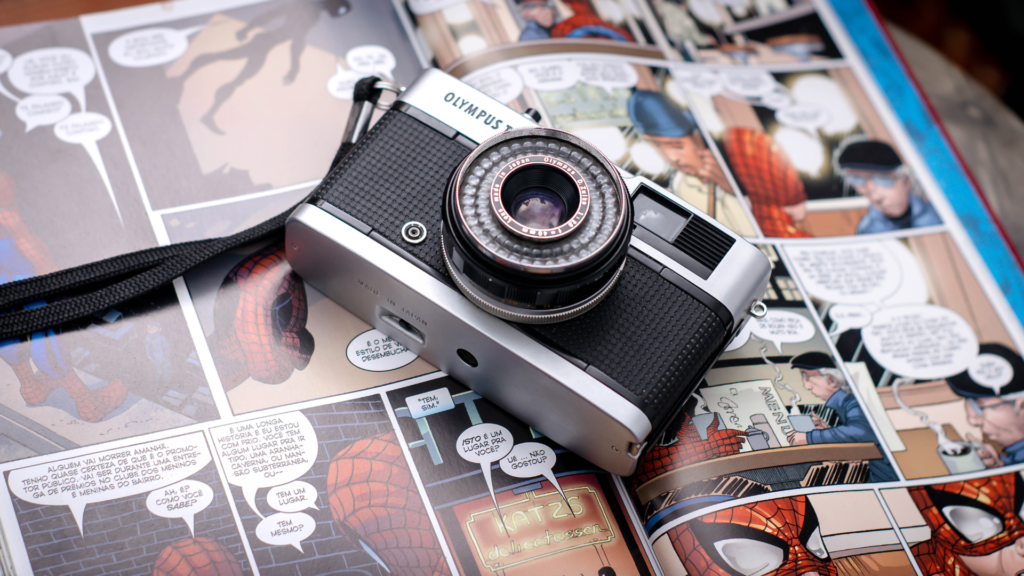
The art of comic books has changed significantly since its early days, reflecting shifts in technology, culture, and storytelling. From simple black-and-white panels to highly detailed, full-colour illustrations, comic book art has continually adapted to meet the expectations of readers and the demands of the comic book industry. This evolution showcases how artists have combined new tools and creative techniques to enhance visual storytelling.
Early comic book art was often limited by printing methods, leading to bold lines and basic colouring. Over time, advancements in digital tools and printing technology allowed for more intricate designs, dynamic layouts, and diverse artistic styles that appeal to wider audiences. These changes mirror the comic book industry’s growth from niche entertainment to a major cultural force.
Artists today have endless possibilities to experiment with style and format, pushing comic book art beyond traditional boundaries. This ongoing transformation not only enriches the reading experience but also shapes how stories are told within the medium.
Origins and Foundations of Comic Book Art
Comic book art began as a blend of visual storytelling techniques heavily inspired by early newspaper comic strips and gradually transformed into its own distinct form. Key developments in the creation of American comic books and the rise of early superheroes shaped the medium’s visual and narrative style.
Influence of Newspaper Comic Strips
Newspaper comic strips in the late 19th and early 20th centuries established foundational storytelling methods for comics. These strips, often humorous or dramatic, relied on sequential panels, speech balloons, and simple but effective character designs.
Artists like Winsor McCay with Little Nemo and George Herriman with Krazy Kat pushed boundaries with imaginative layouts and expressive lines. The popularity of these strips demonstrated a market for illustrated stories, directly influencing comic book creators in structure and pacing.
The clear, engaging art styles in comic strips helped comics transition into print media formats beyond newspapers, setting standards for accessibility and appeal.
Birth of American Comic Books
American comic books emerged in the 1930s by reprinting popular comic strips alongside original content. The 1933 publication Funnies on Parade is one of the earliest examples, distributing a small booklet of reprinted newspaper strips.
By 1938, Action Comics #1 introduced original superhero content with Superman’s debut. This marked a shift towards longer narratives and more detailed artwork in comic books than seen in strip reprints.
The format allowed artists more freedom to develop characters visually and stage complex action scenes. Early comic books established the medium as a commercial form distinct from newspapers, emphasising dynamic, vivid art.
Development of Early Superheroes
The arrival of superheroes like Superman and Batman defined the iconic imagery of comic book art. Superman, created by Jerry Siegel and Joe Shuster, featured bold colours, a muscular physique, and clear lines symbolising strength and hope.
Batman, introduced in 1939 by Bob Kane and Bill Finger, contrasted with darker tones and shadows, influencing a moodier, more atmospheric style. Both heroes set visual standards for costume design, dramatic poses, and expressive facial work.
This period saw artists experimenting with panel layouts to heighten suspense and action, establishing visual grammar that persists in comics today. Early superhero art combined simplicity for mass appeal with innovation in dynamic storytelling.
Major Eras of Comic Book Art Evolution
Comic book art has shifted through distinct periods marked by changes in style, technique, and storytelling. Each era brought significant developments, influenced by cultural context and creative pioneers.
Golden Age: Style, Icons, and Techniques
The Golden Age of comics, spanning the late 1930s to early 1950s, emphasised bold lines and simple colour palettes, largely driven by technological constraints. Artists like Jack Kirby introduced dynamic figures with exaggerated poses, defining heroic imagery. Characters such as Captain America emerged, combining patriotic themes with visually arresting designs.
Art styles were flat but highly recognisable due to clear ink work and limited shading. Printing methods restricted colour variety, so artists used strong contrasts to make characters stand out. The focus was on clear storytelling through visuals, which helped comics gain mass appeal during World War II.
Silver Age: Narrative and Artistic Innovation
The Silver Age, roughly 1956 to 1970, saw a dramatic shift towards more expressive characters and complex panel layouts. Marvel Comics revolutionised the industry with Stan Lee and Jack Kirby co-creating dynamic heroes like the Fantastic Four, whose art combined realism with exaggerated emotional expressions.
This era introduced more experimental perspective techniques and detailed backgrounds. Stories became science fiction-driven, influenced by shows like Star Trek, pushing artists to depict advanced technology and alien worlds. The art better conveyed narrative depth, with more intricate colouring and shading that enhanced mood and action.
Modern and Digital Ages
From the 1980s onward, comic art embraced digital technology and diverse artistic styles. Digital colouring and editing allowed smoother gradients and richer colours. Marvel and DC Comics continued to innovate with realistic anatomy and cinematic panelling.
The rise of digital tools led to more experimental layouts and mixed media approaches, while characters like ROM expanded the sci-fi visual lexicon. Artists gained greater control over production, enabling complex effects impossible in earlier eras. This period also saw comics expand beyond print, affecting design for animation and film adaptations.
Key Influencers and Shifts in Comic Book Art
Comic book art has been shaped by diverse movements, groundbreaking artists, and evolving techniques. Significant shifts occurred as creators pushed boundaries in style, content, and production methods.
Underground Comix and Independent Movements
In the late 1960s and 1970s, underground comix emerged as a reaction against mainstream comic restrictions. These works, often self-published or distributed through independent channels, explored adult themes and countercultural ideas.
Robert Crumb was a central figure in this movement, using his distinct style to critique society and traditional norms. Harvey Pekar’s American Splendour mixed autobiographical storytelling with everyday experiences, further expanding the artistic possibilities.
This era encouraged creative freedom and personal expression, challenging the conventions of superhero-dominated comic art.
Rise of Graphic Novels and Artistic Experimentation
Graphic novels transformed comics into a respected literary and artistic medium. Art Spiegelman’s Maus exemplifies this, using a combination of stark visuals and historical narrative to depict the Holocaust. It demonstrated the power of comics to handle serious, complex subjects.
The graphic novel format allowed for longer, cohesive storytelling, often with more detailed art and innovative layouts. This period encouraged experimentation with pacing, panel design, and themes, broadening the audience and critical acceptance.
Pioneering Artists and Iconic Works
Certain artists set new standards in comic book art, influencing generations. Jack Kirby, though earlier, inspired dynamic posing and bold compositions throughout the industry.
In later years, Frank Miller redefined noir-style visuals in works like Sin City, emphasising high contrast and gritty atmospheres. His style underscored how mood and tone could be conveyed through shading and minimalistic detail.
These creators helped shift comic art from simplistic images to nuanced visual storytelling techniques.
Technological Advances in Comic Book Creation
Digital tools revolutionised comic production from the 1990s onward. Software like Photoshop and Clip Studio Paint enabled cleaner line work, colour precision, and easier corrections.
Colouring moved from traditional hand-painting to digital methods, offering a wider range of hues and effects.
Print-on-demand and webcomics diversified distribution, reducing barriers for independent artists. These technologies reshaped both the artistic process and the business model of comics.
Contemporary Comic Art and Industry Impact
Comic book art today reflects a blend of traditional styles and digital techniques, influencing how stories are told visually. The industry’s growth has been shaped by the expansion of retail outlets, changes in collector culture, and efforts to preserve its history.
Growth of Comic Book Stores and Collectables Market
Comic book stores have multiplied globally, becoming crucial hubs for fans and collectors. These stores offer not only new issues but also rare back issues and variant covers, drawing a diverse customer base. Retailers like Heritage Auctions and ComicConnect play key roles in boosting the collectables market by auctioning high-value comics.
The collectable market now includes graded comics, statues, and limited-edition prints, increasing hobbyist investment. Online platforms have expanded this reach, allowing collectors to trade and purchase globally. This has created a more robust industry ecosystem, supporting both creators and retailers.
Comic Book Fandom and Cultural Influence
Comic book fandom has evolved into a significant cultural force, influencing film, television, and fashion. Fan conventions and online communities bring readers and creators together, fostering engagement and feedback. This interaction has helped shape character development and storytelling in real time.
The rise of social media promotes diverse voices within fan communities, pushing the industry towards inclusivity. Fandom also drives demand for creative experimentation, encouraging artists to explore varied styles and themes, which impacts the broader cultural landscape.
Legacy and Preservation
Efforts to preserve comic book history have increased through archives, museums, and digital libraries. Initiatives by institutions and private collectors aim to conserve original art pages and first editions. These efforts protect the medium’s cultural and artistic significance for future generations.
Heritage Auctions and similar entities sometimes facilitate acquisitions of iconic pieces, ensuring they remain accessible. Digitisation projects also provide wider public access while safeguarding fragile materials. Preservation underscores the importance of comics as a unique storytelling art form.