
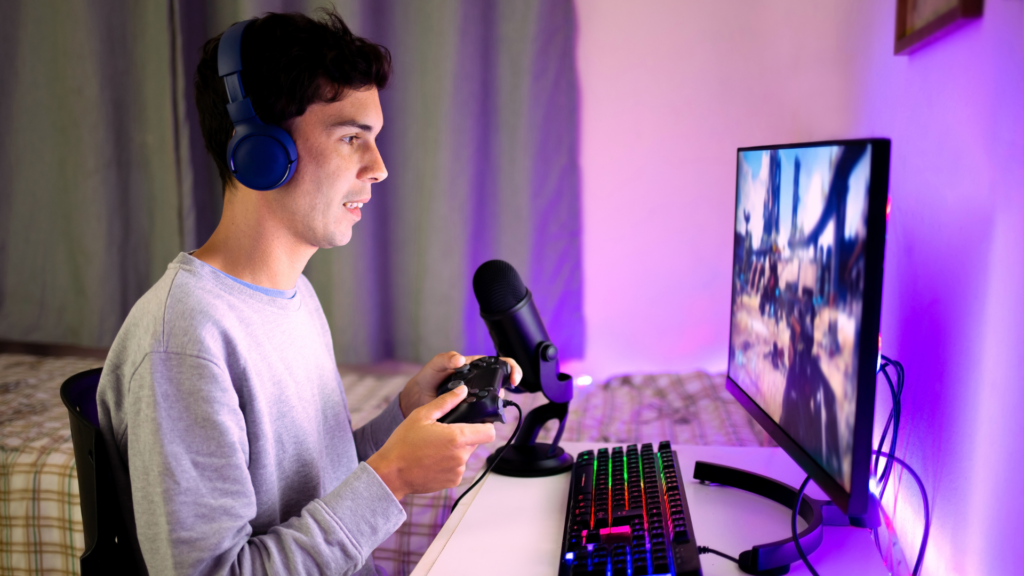
Competitive gaming has grown into a global phenomenon, with esports offering players a chance to turn their passion into a career. For those interested in getting started, understanding the basics of training, communication, and game selection is essential. The most important step is to practise consistently in a game that suits your skills and interests while analysing your performance to improve over time.
Joining online communities and participating in amateur tournaments helps build experience and connections within the esports scene. Developing not only mechanical skills but also strategic thinking and teamwork sets players apart in competitive environments.
Many aspiring gamers underestimate the importance of mindset and discipline, which are key to long-term progress. By balancing focused practice with healthy habits, anyone can increase their chances of advancing in competitive gaming.
Understanding Competitive Gaming and Esports
Competitive gaming involves structured play with clear rules, ranking systems, and often monetary rewards. It centres on skilful execution, strategic thinking, and teamwork. Players progress through various tiers, from amateur leagues to professional tournaments, which often feature substantial prize pools.
What Sets Competitive Gaming Apart from Casual Play
Competitive gaming differs from casual play mainly in intensity and objectives. Players focus on optimisation of strategies, consistent practice, and adaptation to meta-game changes. Unlike casual gaming, where enjoyment is the priority, competitive play demands precision, resilience, and mental stamina.
The presence of ranking systems, such as Elo or MMR, drives competitive players to improve continuously. Rules are strict, with official tournaments enforcing game settings to ensure fairness. The professional environment also includes coaching, analysis, and team management.
Key Genres and Notable Titles
Popular competitive genres include first-person shooters (FPS), multiplayer online battle arenas (MOBA), and real-time strategy (RTS) games. Titles like Counter-Strike, Valorant (FPS), League of Legends, Dota 2 (MOBA), and RTS games each attract large player bases and viewers.
Each game requires different skill sets: FPS games focus on aim and reflexes; MOBAs emphasise map awareness and team coordination; RTS games demand resource management and multitasking. These games sustain thriving competition scenes at both amateur and professional levels.
Structure of the Competitive Scene
The competitive scene is organised into tiers, starting with informal online matches, moving to amateur leagues, and culminating in professional tournaments. Leagues and tournaments often have qualifiers that filter the best teams.
Prize pools vary widely but can reach millions, especially in games like Dota 2. Events are hosted globally, supported by publishers and third parties. Rankings and seasonal formats keep the competition dynamic and accessible for new entrants.
Choosing Your Game and Getting Prepared
Selecting the right game and setting up properly are key steps in entering competitive gaming. Understanding the competitive landscape, community engagement, and technical requirements helps players build a strong foundation.
Evaluating Popular Esports Titles
Players should start by exploring popular esports titles like Valorant, League of Legends, Dota 2, and Counter-Strike. Each game offers unique gameplay styles — from tactical shooters to real-time strategy (RTS) elements. Choosing a game with a well-established competitive scene increases opportunities for tournaments and career growth.
Success depends on mastering game mechanics and learning from top-level play. Players often watch professional matches, follow meta shifts, and use resources such as strategy guides. The accessibility of the game and the player’s own interests significantly influence the choice.
Assessing the Player Base and Community
A healthy player base ensures active matchmaking and consistent competition. Games with large, dedicated communities provide better learning environments and feedback channels. Platforms like Discord servers offer communication with other players for practice, advice, and team finding.
Players should check community behaviour and support structures. Toxicity or a declining player base can hinder growth. Reviewing forums, social media, and tournament activity helps evaluate long-term viability.
Optimising Your Gaming Setup
Competent hardware can improve gameplay precision. A high-quality graphics card ensures smooth frame rates and visual clarity, especially in fast-paced games like Counter-Strike and Valorant. Choosing a monitor with a low response time and high refresh rate reduces input lag.
Input devices like mechanical keyboards and gaming mice with adjustable DPI settings enhance control. Audio quality is also important for sound cues. Proper ergonomic setup reduces fatigue during extended sessions.
Fundamentals of Internet Connection and Equipment
Stable and fast internet is vital to avoid lag and disconnections. Players should aim for wired Ethernet connections rather than Wi-Fi for lower latency and more consistent ping. A minimum download speed of 25 Mbps and a ping under 50 ms is recommended for competitive play.
Networking equipment, like quality routers with QoS settings, prioritises gaming traffic. It is beneficial to test connection stability and ping to game servers regularly. Proper equipment ensures fairness and responsiveness in gameplay.
Skill Development and Progression
Competitive gaming requires focused improvement in specific areas to achieve success. A player must refine their technical skills, sharpen reaction times, communicate effectively with teammates, and gain experience through organised competitive environments.
Mastering Core Game Mechanics
Understanding game mechanics is fundamental to competitive play. Players should concentrate on mechanics such as last-hitting in Dota 2 and League of Legends, aiming accuracy in Valorant, or movement and spray control in Counter-Strike. These core skills form the base for all advanced strategies.
Practising mechanics involves drills like custom game lobbies or training maps designed to improve precision and timing. Consistency in these activities leads to muscle memory, reducing in-game errors during critical moments.
Tracking progress using performance metrics such as kill-death ratio or gold per minute helps identify weaknesses. Refinement through gameplay review and targeted practice sessions is essential to mastery.
Improving Reflexes and Reaction Time
Reflexes impact a player’s ability to react quickly to sudden changes. They should engage in activities that enhance hand-eye coordination, such as aim trainers or fast-paced mini-games.
Maintaining focus during matches and avoiding distractions boosts reaction speed. Proper warm-up routines before competitive sessions can improve performance by preparing mental and physical responses.
Rest and physical exercise also contribute to faster reflexes. Fatigue slows reactions, so adequate sleep and regular breaks are necessary.
Communication and Teamwork Essentials
Clear, concise communication is crucial in team-based games like Valorant and Counter-Strike. Players must learn callouts and share information about enemy positions, cooldowns, and strategies.
Using platforms such as Discord servers for voice communication helps teams maintain coordination during matches. Establishing a common language and agreed signals reduces confusion under pressure.
Trust and adaptability within the team improve with practice. Players should focus on listening as much as speaking, balancing leadership roles and supportive communication equally.
Navigating Ranked Matches and Amateur Leagues
Ranked matches provide structured competitive environments where players can measure their skill against peers. Starting in lower divisions allows gradual adaptation to the pressure and pace.
Joining amateur leagues exposes players to organised play with scheduled matches and team rosters. These leagues often use platforms like FACEIT or ESEA, which support games such as Counter-Strike and League of Legends.
Consistency and resilience are vital when facing losses or setbacks. Reviewing replays and seeking advice from higher-skilled players, coaches, or community members in Discord servers fosters improvement.
Taking the Next Steps in Competitive Play
Progressing in competitive gaming requires a deliberate approach to gaining experience, studying top players, and increasing visibility through content creation. These steps help players deepen their skills and establish themselves in the competitive scene.
Entering Tournaments and Building Experience
Players should begin by joining amateur leagues and local online tournaments to gain practical experience. These events often have smaller prize pools but provide essential opportunities to face real competition and refine strategies under pressure.
Tracking tournament results helps identify strengths and weaknesses. Gradually, players can enter larger professional tournaments, where the competition is tougher, and prize pools are significantly higher. Learning to prepare for events—such as understanding the meta and managing mental focus—is crucial at this stage.
Consistent participation builds a player’s profile and resilience, making it easier to connect with sponsors and teams. Staying updated on tournament announcements from platforms like ESL or FACEIT increases access to competitive opportunities.
Learning from Professional Players
Observing professional players is critical to growth. They offer insights into advanced techniques, game mechanics, and strategic thinking at an elite level. This can be done by watching streams, tournament replays, and tutorials.
Analysing playstyles helps players understand decision-making in high-pressure scenarios. Professionals often share tips on positioning, timing, and adapting to opponents, which can be applied during practice.
Engaging with communities around professional players, such as forums and Discord servers, also provides valuable knowledge and networking opportunities. Players should focus on learning both the technical aspects and the mindset that drives professional success.
Integrating Streaming and Content Creation
Building a presence in the competitive community via streaming or content creation enhances visibility and credibility. Players can stream live gameplay on platforms like Twitch to engage with an audience, demonstrate skills, and attract sponsors.
Creating guides, highlights, or analysis videos complements the streaming work and offers additional ways to connect with fans. Content creation requires regular output and quality to grow a follower base and maintain interest.
This dual approach can lead to opportunities for revenue beyond prize money, such as donations or sponsorship deals. It also promotes personal branding, making players attractive to teams and event organisers in the competitive scene.