
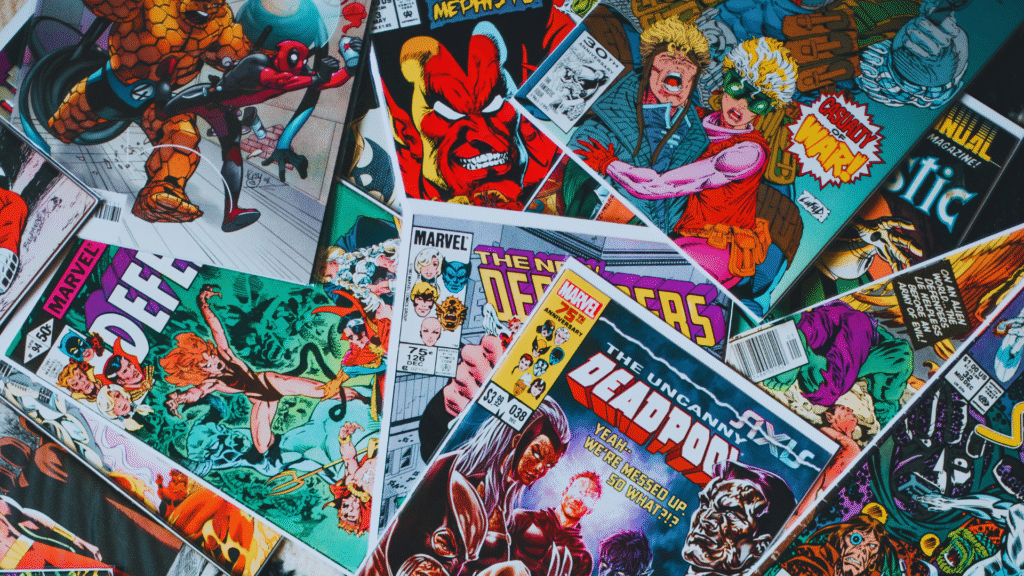
Collecting comics can be a rewarding and enjoyable hobby, offering a unique blend of storytelling and art. For those who are new to the world of comics, it can feel overwhelming at first, with an array of genres, publishers, and formats to navigate. A beginner’s guide to collecting comics equips newcomers with the essential knowledge required to start their collection confidently, making the journey enjoyable from the outset.
Understanding the basics of comic collecting involves learning about the different types of comics available, such as single issues, trade paperbacks, and graphic novels. Each format serves a particular purpose and appeals to various tastes. Beginners will benefit from familiarising themselves with key publishers, notable series, and important issues that have shaped the comic landscape.
Building a collection also involves knowing where to find comics, whether through local shops, online retailers, or conventions. The value of a comic can fluctuate based on its rarity and condition, making it essential to grasp the fundamentals of grading and pricing. With the right guidance, anyone can discover the joy of collecting and find their niche within this diverse and creative community.
Understanding Comic Books and Graphic Novels
Comic books and graphic novels offer unique storytelling experiences through illustrations and text. While they share similarities, key differences set them apart. Collectors should also be aware of major publishers, popular genres, and iconic characters that shape these mediums.
Key Differences Between Comic Books and Graphic Novels
Comic books typically consist of serialised stories, often featuring a single character or storyline. They are generally shorter, with most issues ranging from 20 to 40 pages. Graphic novels, by contrast, present complete narratives in one volume. These works can be longer, usually over 100 pages, and often explore complex themes.
Another significant difference lies in their publication format. Comic books are usually released in monthly issues, while graphic novels are published as standalone books. This distinction affects how collectors approach their purchases, as comic books often require more frequent buying to follow ongoing series.
Major Publishers and Popular Genres
Several major publishers dominate the comic book and graphic novel markets. Marvel Comics and DC Comics are known for their superhero stories, featuring iconic characters like Spider-Man, Superman, and the Fantastic Four. These publishers often release trade paperbacks that compile several issues into a single volume.
Image Comics is notable for its diverse genres, including fantasy, horror, and science fiction. Titles like Saga have gained significant popularity for their unique storytelling and artistic style. Meanwhile, Vertigo, an imprint of DC, is celebrated for mature themes and storylines, appealing to older audiences.
Iconic Characters and Series
Iconic characters shape the landscape of comic books and graphic novels. Superheroes, such as Superman and Spider-Man, have become cultural touchstones. Their stories often revolve around battles against notorious villains, providing excitement and moral lessons.
Graphic novels also feature notable characters, often providing depth and complexity. Stories within this format may not always centre on superhero narratives. For instance, Maus by Art Spiegelman and Persepolis by Marjane Satrapi tackle heavy themes through compelling narratives and artistic innovations. Collectors should note these characters and series, as they greatly influence trends within the medium.
Building Your Comic Collection
A well-planned comic collection can bring joy and insight into the world of comics. Understanding personal goals, selecting specific titles, and sourcing from various outlets are essential steps in the collecting process.
Setting Collecting Goals and Defining Your Audience
Before starting a collection, it is crucial to identify collecting goals. This may include focusing on specific genres like superhero comics, graphic novels, or indie titles.
Defining the audience can help guide these goals. Is the collector interested in Marvel and DC Comics, or do they prefer niche publishers like Image or Vertigo? Clear objectives streamline the selection process and ensure that the collection reflects the collector’s interests.
Choosing What to Collect: Titles, Publishers, and Eras
Selecting which comics to collect requires thoughtful consideration. Many collectors start with popular series from well-known publishers. Icons like Marvel and DC offer vast catalogues of superhero titles, while Image is known for innovative storytelling in standalone series.
It also helps to explore different eras. For instance, the Golden Age features classic superheroes, while contemporary comics often reflect current social themes. Classics and trade paperbacks can offer both nostalgia and insight into the evolution of the medium.
Sourcing Comics: Shops, Online, and Conventions
Finding comics can be an enjoyable part of the collecting journey. Local comic shops are great for physical browsing, often hosting events and fostering community.
Online marketplaces provide wider access to rare titles. Websites like eBay and dedicated comic retailers often list specific editions that might be challenging to find elsewhere.
Comic conventions are also excellent hunting grounds. They bring together sellers, artists, and other collectors, which offers opportunities for discovering unique items, trading, and expanding knowledge through discussions.
Evaluating Comic Book Condition and Value
Understanding the condition and value of comic books is essential for any collector. Grading scales, factors influencing value, and recognising different editions significantly impact a comic’s worth in the marketplace.
Grading Scales: Mint, Near Mint, and More
Comic book condition is assessed using a grading scale that ranges from Mint (10) to Poor (0). Each grade reflects the comic’s physical condition, which affects its market value.
- Mint (10): Perfect condition, with no flaws.
- Near Mint (9.4-9.9): Minor imperfections that are hard to spot.
- Very Fine (8.0-8.9): Slight wear; limited visual defects.
- Fine (6.0-6.9): Noticeable wear; may include creases or discolouration.
- Very Good (4.0-4.9): Significant wear, perhaps small tears.
- Good (2.0-2.9): Major defects; comic is readable.
- Poor (1.0): Severely damaged; highly collectable only in certain cases.
This grading system enables collectors to gauge a comic’s condition accurately.
Factors Influencing Comic Value
Various elements determine a comic book’s market value. These include:
- Condition: Better condition generally means higher value.
- Demand: Popular characters or titles command greater prices.
- Rarity: Limited print runs or unique editions can significantly boost worth.
- Age: Older comics often gain value, especially if they are key issues in a series.
Collectors should always research recent sales and market trends to inform their buying and selling decisions.
Recognising Reprints, Variants, and Rarity
Differentiating between reprints, variants, and original copies is vital in evaluating a comic’s value.
- Reprints generally lack the same value as original issues.
- Variants may be more valuable if they have a limited print run or are tied to significant comic events.
- Rarity can significantly boost value; limited editions or comics with low print counts are often sought after.
To avoid pitfalls, collectors should verify authenticity and details of the comic edition. This practice will aid in making informed purchasing decisions.
Caring for and Displaying Your Collection
Maintaining a comic book collection requires attention to detail and best practices for storage and display. Proper care enhances the longevity of the comics and ensures that they remain in excellent condition while being showcased effectively.
Best Practices for Comic Book Storage
Comic books should be stored in a cool, dry, and dark environment. Temperature and humidity control are crucial, as excess heat or moisture can damage the paper and ink.
- Use mylar bags or polypropylene sleeves for individual comic books. These materials are acid-free and provide a protective layer against dust and dirt.
- Store comics upright in comic book boxes. This method prevents folding and creasing. Avoid stacking comics horizontally, as weight can cause warping.
- Labels can help keep the collection organised. Use a consistent system for easy identification.
Protection From Damage and Environmental Factors
Protective measures are vital to safeguard comics from physical damage and environmental threats.
- Avoid direct sunlight. Ultraviolet light fades colours and deteriorates paper. Keep comics away from windows.
- Regularly check for signs of pest infestations. Moths and silverfish can destroy comics. Employ moisture-absorbing products in storage areas.
- Consider using dehumidifiers in areas prone to high humidity. This action prevents mould growth, which can ruin comics.
Showcasing and Enjoying Your Comics
Displaying comics can enhance enjoyment while keeping them safe. Thoughtful placement reduces wear and tear.
- Use display frames designed for comics to showcase favourite pieces. Frames should have UV-filtering glass to protect from light exposure.
- Create a dedicated display area away from high traffic. Shelving at eye level provides both visibility and protection.
- Rotate displayed comics periodically. This practice not only refreshes the display but also reduces the amount of time any single book is exposed to light.
By following these practices, collectors can preserve their comics while displaying them in an appealing manner.